
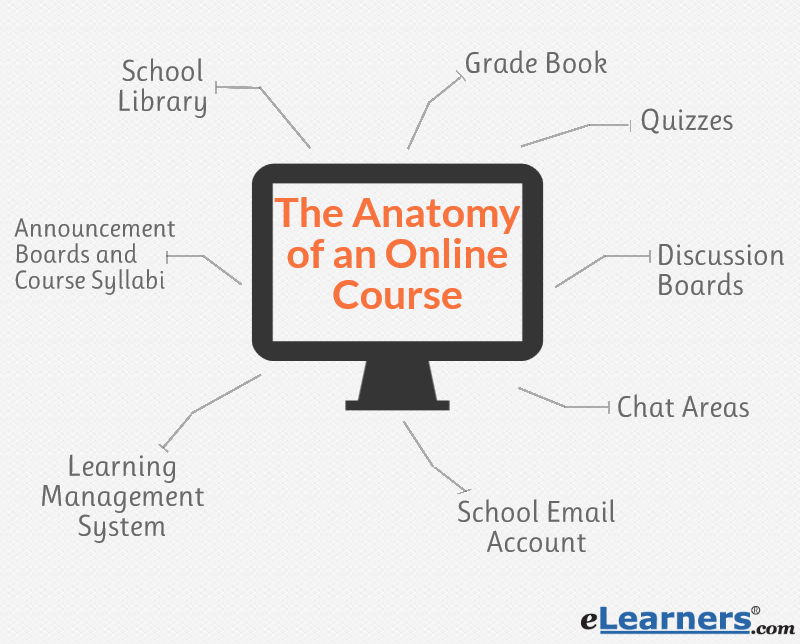
An online course is a digital learning program. It allows people to study from anywhere.
Online courses are flexible and accessible. They offer various subjects and skills. Students can learn at their own pace. These courses include videos, quizzes, and reading materials. They often have discussions and assignments. Many online courses provide certificates upon completion.
They can be free or paid. Online courses are popular for their convenience. They are useful for personal growth and career advancement. The internet has made learning easier. People worldwide can access quality education. Online courses are changing how we learn. They provide opportunities for everyone. Whether you want to learn coding, cooking, or business, there’s an online course for you. Explore the world of online learning today.

Credit: www.ice.cam.ac.uk
Introduction To Online Courses
Online courses are a popular way to learn new skills. They offer flexibility, convenience, and a wide range of topics. You can access them from anywhere with an internet connection. Let’s dive deeper into what online courses are and their origins.
Definition
An online course is a digital learning program. It is available over the internet. It includes lessons, quizzes, and assignments. Students can access materials at their own pace. Many online courses feature videos, readings, and interactive elements. They often provide forums for discussion and support.
History
Online courses began in the late 20th century. Universities started offering distance learning programs. The internet’s growth made online education more accessible. In the early 2000s, platforms like Coursera and Udemy emerged. These platforms made online courses more popular. Today, many institutions offer online learning options. They cater to various learners, from students to professionals.
Types Of Online Courses
Online courses come in various formats to suit different learning styles and needs. Understanding the types of online courses can help you find the right fit. Here, we explore two popular types: self-paced and instructor-led courses.
Self-paced
Self-paced online courses offer flexibility. Students can study at their own speed. You can start and finish assignments whenever you want. There are no set class times. This makes self-paced courses great for busy people. You can balance study with work or family duties.
Instructor-led
Instructor-led online courses have set schedules. Classes happen at specific times. You attend online lectures and participate in discussions. These courses often have deadlines for assignments. This structure can help keep you on track. Interaction with the instructor can enhance learning. You can ask questions and get instant feedback. Some people find this format more engaging.
Benefits Of Online Learning
Online learning has transformed education, offering many advantages. It provides a convenient way to gain knowledge and skills. Learners from different backgrounds can benefit greatly from online courses.
Flexibility
One major benefit of online learning is flexibility. Students can learn at their own pace. They can choose the best time to study. This is perfect for those with busy schedules. Whether you work full-time or have family duties, online courses fit into your life.
You can access course materials anytime, anywhere. No need to travel to a physical classroom. This saves time and reduces stress. You can study from the comfort of your home.
Cost-effectiveness
Online courses are often more affordable than traditional classes. You save money on travel and accommodation. Many online courses offer free materials. No need to buy expensive textbooks. This makes education accessible to more people.
Some online programs offer financial aid or payment plans. This helps manage the cost of education. You can invest in your future without breaking the bank.
Challenges Of Online Courses
Online courses offer flexibility and convenience, but they also come with challenges. Students must navigate these obstacles to succeed. Let’s explore some common difficulties faced in online learning.
Time Management
Managing time effectively is crucial for online learners. Balancing coursework with other responsibilities can be tough. Many students struggle to stay organized. Procrastination can hinder progress. Setting a schedule helps, but sticking to it requires discipline.
Technical Issues
Technical problems can disrupt online learning. Internet connectivity may be unstable. Software glitches can cause frustration. Not everyone is tech-savvy. Troubleshooting takes time and effort. Reliable equipment and support are essential. These issues can affect participation and performance.
Popular Platforms For Online Courses
Online courses have become a vital part of education. They allow you to learn new skills from the comfort of your home. With so many platforms available, it can be hard to choose the right one.
Let’s explore some of the most popular platforms for online courses:
Coursera
Coursera partners with top universities and organizations. You can find courses in almost every subject. Whether you want to learn data science or philosophy, Coursera has something for you.
I once took a Python programming course on Coursera from the University of Michigan. The instructors were knowledgeable, and the course materials were well-organized. This helped me land a job as a junior developer.
What are you passionate about? You can probably find a course on Coursera that matches your interests. The best part is that many courses are free to audit. If you need a certificate, you can pay a fee.
Udemy
Udemy offers a wide range of courses. Unlike Coursera, the courses are created by individual instructors. This means there’s a lot of variety in teaching styles.
I once wanted to learn photography. I found a highly-rated course on Udemy for only $10 during a sale. The course was easy to follow and full of practical tips. My photos improved drastically.
What skill do you want to learn next? On Udemy, you can find courses in areas like business, personal development, and tech. They often have sales, so you can get courses at a discounted price.
Choosing the right platform can make a big difference in your learning journey. What are your goals? Take the time to explore these platforms and find the courses that fit your needs.
Choosing The Right Online Course
Choosing the right online course can be challenging. With many options available, finding the perfect fit is essential. This guide helps you make an informed decision. Focus on your needs and the quality of the course. Let’s dive into the key points.
Assessing Needs
First, define your goals. What do you want to learn? Identify your interests and career objectives. This helps narrow down the options. Consider your current skill level. Choose a course that matches your expertise. Beginners should start with basic courses. Advanced learners need more challenging content.
Next, think about your schedule. How much time can you dedicate? Some courses require daily commitment. Others are more flexible. Pick one that fits your lifestyle. Also, check if the course offers support. Interaction with instructors and peers can enhance learning. Look for courses with active communities.
Evaluating Quality
Quality matters. Read reviews and testimonials. Past students’ experiences provide valuable insights. Check the course provider’s reputation. Trusted institutions often offer better content. Look for accredited courses. Accreditation ensures high standards.
Examine the course content. Is it up-to-date? Check the syllabus and topics covered. Ensure they align with your goals. Quality courses offer practical assignments. Hands-on tasks help reinforce learning. Also, assess the instructors’ qualifications. Experienced teachers add value to the course. Their expertise can guide your learning journey.
Finally, consider the course format. Video lectures, reading materials, and quizzes are common. Choose a format that suits your learning style. Interactive elements can enhance engagement. Ensure the platform is user-friendly. A good interface makes learning enjoyable.
Future Trends In Online Education
Online education is rapidly evolving. New technologies are shaping the future of learning. These advancements promise richer and more interactive experiences. Let’s explore some exciting trends.
Ai Integration
Artificial Intelligence (AI) is changing online courses. AI can personalize learning paths. It assesses each student’s progress. Then, it suggests relevant materials. This makes learning more efficient.
AI can also provide instant feedback. Students get immediate responses to their questions. This helps them understand concepts faster. AI-powered chatbots are another useful tool. They are available 24/7. They can assist students with common issues.
Virtual Reality
Virtual Reality (VR) is another exciting trend. VR creates immersive learning experiences. Imagine exploring ancient Rome in history class. Or dissecting a virtual frog in biology. These experiences make learning more engaging.
VR also promotes active learning. Students can practice skills in a safe environment. They can make mistakes and learn from them. This hands-on approach improves retention. It prepares students for real-world challenges.

Credit: theconversation.com
Success Stories
Online courses have changed many lives. Students from all over the world have shared their experiences. They have achieved great success and have inspiring stories to tell. Let’s dive into some of these incredible journeys.
Student Testimonials
Many students have shared their positive experiences. Jane, a mother of two, found time to learn coding. She balanced her family and studies well. She now works as a software developer.
John, a marketing professional, took a digital marketing course. He was able to apply new skills at work. His company’s sales increased by 20%. These stories show the impact of online learning.
Career Advancements
Online courses often lead to career growth. Sarah completed a project management course. She was promoted to a senior manager position. Her salary increased significantly.
Michael, a graphic designer, took an advanced design course. His portfolio improved, and he landed a job at a top agency. His career trajectory changed for the better.

Credit: campustechnology.com
Frequently Asked Questions
What Is An Example Of An Online Course?
An example of an online course is “Introduction to Digital Marketing” offered by Coursera. This course covers SEO, social media marketing, and analytics.
What Does A Fully Online Course Mean?
A fully online course means all learning activities and interactions occur via the internet, without in-person meetings.
What Is The Difference Between Online And Offline Courses?
Online courses are accessed via the internet, offering flexibility and remote learning. Offline courses occur in physical classrooms, providing face-to-face interaction.
What Do You Call An Online Course?
An online course is often called an e-learning course, virtual class, or digital course. It involves learning through the internet.
Conclusion
Online courses offer flexible learning opportunities. They fit your schedule and needs. You can learn new skills from anywhere. Many courses provide interactive content and support. They are cost-effective compared to traditional education. Online courses can enhance your career and personal growth.
They cater to various interests and levels. Explore and enroll in courses that suit you best. Make learning a lifelong journey. Start today and expand your knowledge.

