
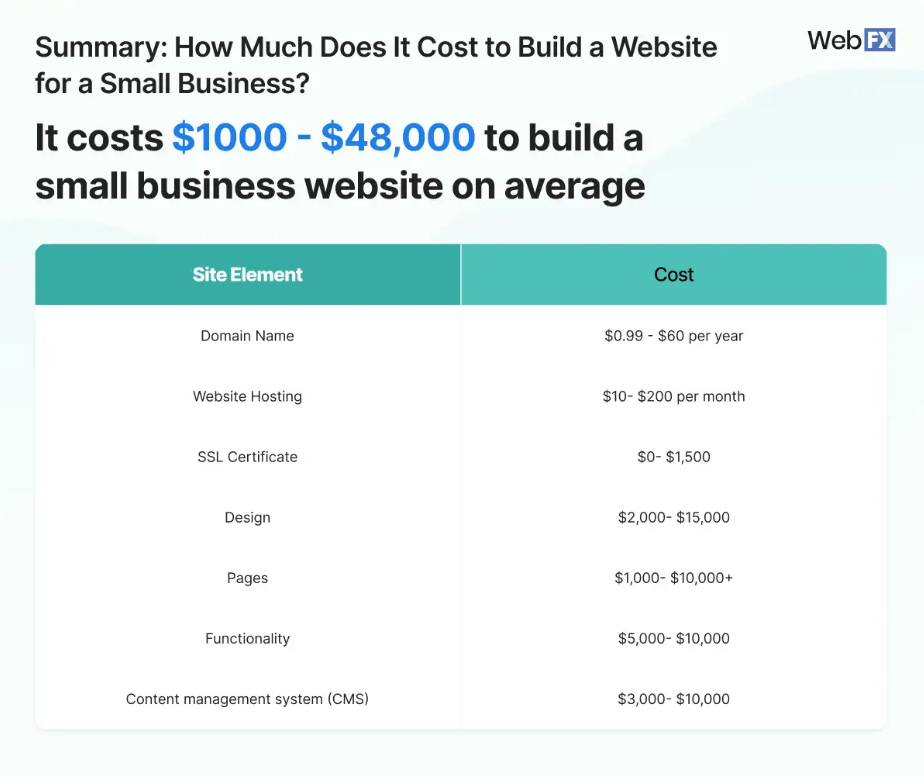
Explore the full website development cost in 2025. Learn pricing for SaaS, startups, and online businesses with tips to save and scale smartly.
In this blog post, we’ll explore the costs of creating a website today. Understanding the cost of building a website is crucial for planning. Whether you’re starting a business or revamping your online presence, knowing the financial aspects is key.
Costs can range from domain purchase to design and development. DIY platforms offer affordable options, but hiring professionals might increase expenses. Each choice has its pros and cons. Budgeting helps avoid surprises and ensures success. We’ll break down common expenses and what affects them. This guide aims to clarify website costs, helping you make informed decisions. Read on to learn more about pricing, factors to consider, and how to get value for your investment.

Website Development Basics
Website development is crucial for establishing an online presence. Understanding the basics helps in planning and budgeting effectively. This section breaks down fundamental aspects of website creation.
Purpose And Goals
First, decide the purpose of your website. Is it for business, personal blog, or an online store? Knowing the goal guides design and functionality decisions.
Clear goals streamline the process. They help in choosing the right tools and services. This saves time and money.
Key Factors Influencing Website Development Costs
-
Domain & Hosting
-
Design (Template vs. Custom)
-
Development Approach (DIY, Freelancers, Agencies)
-
CMS or Platform Choices (WordPress, Webflow, Custom SaaS)
Website Pricing Breakdown (2025 Estimates)
-
Basic Website:
-
Cost: $1,000 – $3,000
-
Features: Simple design, 5-10 pages, basic contact forms
-
Ideal for: Small businesses, personal blogs
-
-
Professional Business Site:
-
Cost: $3,000 – $10,000
-
Features: Custom design, CMS integration, SEO optimization
-
Ideal for: Growing businesses, e-commerce platforms
-
-
Custom SaaS or Complex Website:
-
Cost: $10,000 – $50,000+
-
Features: Advanced functionalities, user dashboards, API integrations
-
Ideal for: SaaS startups, marketplaces, large enterprises
-
Types Of Websites
Different types of websites serve various needs. Business websites promote services and products. Blogs focus on sharing ideas and stories.
E-commerce sites allow selling online. Portfolio sites showcase work and skills. Each type has distinct features and costs.
Choosing the right type is vital. It impacts development complexity and expenses. Tailor the website type to fit your needs and budget.
Domain And Hosting Fees
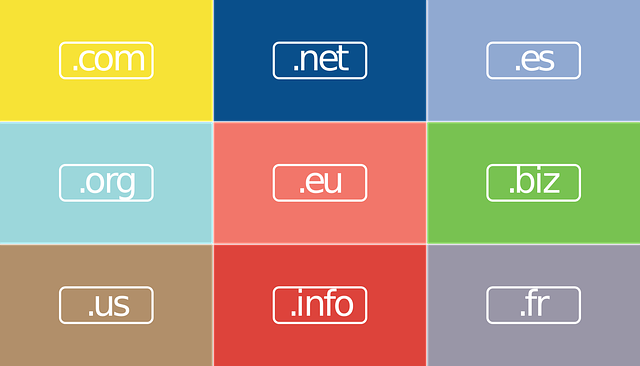
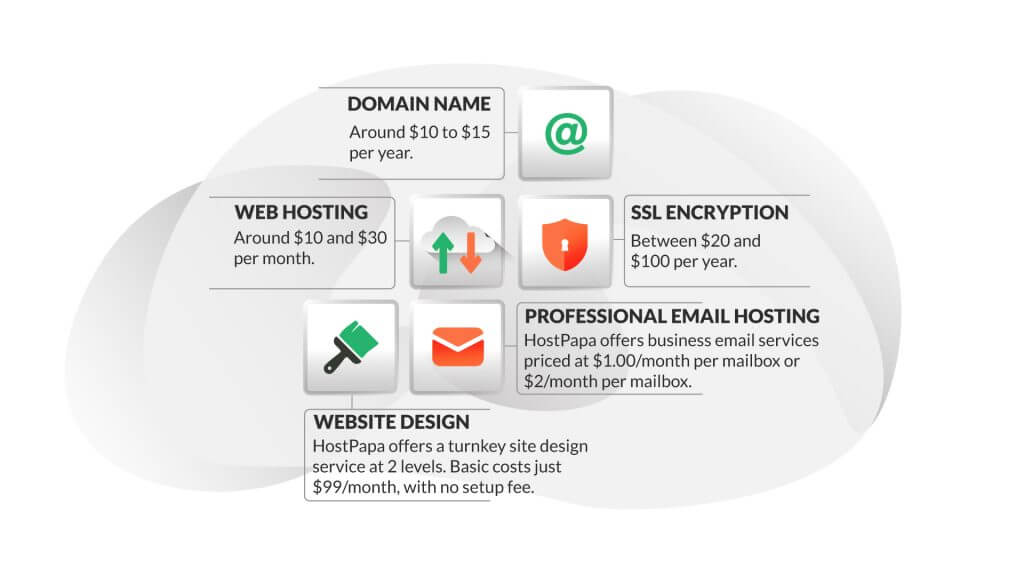
Building a website involves domain and hosting fees, typically costing $10 to $15 monthly for each. Prices vary with the provider and features chosen. Selecting the right plan is crucial for managing expenses efficiently.
Building a website often involves several costs, and two of the most important are domain and hosting fees. These are essential components that establish your website’s online presence and ensure it runs smoothly. Understanding these costs can help you plan your budget more effectively and avoid unexpected surprises.
Choosing A Domain Name
Your domain name is your website’s address on the internet. It’s how people will find you. Selecting the right domain name is crucial because it represents your brand and affects your site’s visibility.
Consider keeping it short and easy to remember. Avoid complex words or hyphens. A .com extension is still the most recognizable and trusted, but other options like .net or .org can work if your first choice is unavailable.
Domain registration costs usually range between $10 and $20 per year. However, premium names can cost much more. I once spent hours brainstorming a catchy domain name, only to find it was taken and priced at $1,000! That’s when I learned the value of creativity and flexibility.
Hosting Providers
Hosting is the service that stores your website data and makes it accessible online. Think of it as renting space on the internet. The hosting provider you choose affects your website’s performance and security.
There are different types of hosting: shared, VPS, and dedicated, each with its own price point. Shared hosting is the most economical option, perfect for beginners, with costs starting as low as $3 per month. But if your site grows, you might need to upgrade to a VPS or dedicated server for better performance.
When I started my first blog, I opted for the cheapest shared hosting, only to realize the importance of uptime and speed. The site was slow, and visitors left before it even loaded. Investing in a reliable hosting provider is crucial for maintaining a professional and efficient website.
Have you thought about what impact a slow website might have on your business? It’s worth considering before you make your choice.
By understanding these essential elements of domain and hosting fees, you can make informed decisions that align with your budget and goals.
Design And Layout Costs
Design and layout costs are crucial in website development. They affect both aesthetics and functionality. A well-designed website attracts visitors and enhances user experience. The choice between a template and custom design plays a significant role. Similarly, ensuring responsive design is essential for mobile users. These factors directly influence the overall cost of building a website.
Template Vs. Custom Design

Choosing between template and custom design impacts costs significantly. Template designs are more budget-friendly. They offer pre-made layouts and styles. Custom designs, on the other hand, provide unique aesthetics. They cater to specific brand needs. Custom designs require more time and expertise. This results in higher costs. Templates may have limitations in flexibility. Custom designs allow for complete creative freedom. Consider your brand’s needs and budget.
Responsive Design Necessities
Responsive design is crucial in today’s mobile-centric world. It ensures your website looks good on all devices. A responsive site adapts to screen sizes automatically. This enhances user experience and improves SEO. Non-responsive sites may lose mobile visitors. Implementing responsive design involves extra costs. It requires skilled developers to ensure quality. But, it’s a worthwhile investment. Users expect seamless browsing on any device.

Credit: www.buildabear.com
Development And Coding Expenses
Understanding development and coding expenses is crucial for building a website. These costs can vary based on complexity and functionality. Development involves both front-end and back-end processes. Each part plays a unique role in creating a seamless user experience. Let’s explore the expenses involved in these two crucial areas.
Front-end Development
Front-end development shapes the visual aspect of your website. It includes layout, design, and user interaction elements. Developers use HTML, CSS, and JavaScript to craft engaging interfaces. Costs depend on design intricacy and customization level. Simple designs are less costly than complex, interactive ones. Hiring skilled developers ensures smooth navigation and appealing visuals.
Back-end Development
Back-end development handles server-side operations. It includes database management and application logic. Developers use languages like PHP, Python, and Ruby. These are crucial for website functionality and data processing. Costs vary based on features like user authentication and data storage. Complex systems require more time and expertise, increasing expenses. Investing in experienced back-end developers ensures reliable performance.
Content Creation Budget
Creating a website in 2025 typically costs between $500 and $5,000. Expenses vary based on design complexity, hosting, and functionality. Budgeting wisely ensures all essential elements are included without overspending.
Building a website involves more than just coding and designing. One of the most crucial aspects is content creation, which can significantly impact your budget. Whether you’re crafting compelling copy or designing eye-catching visuals, understanding the cost associated with these elements is essential. You might wonder, is it worth investing in professional content creation? Let’s break down the costs involved in two major areas: copywriting services and multimedia content.
Copywriting Services
Quality copy is vital for engaging your audience. It shapes the voice of your brand and communicates your message effectively. Hiring a professional copywriter can range from $50 to $200 per hour, depending on their expertise and your project’s complexity.
Consider what you want your website to say. Are you looking for persuasive product descriptions or captivating blog posts? Your choice will influence your budget. It’s worth remembering that well-crafted copy can boost your site’s credibility and conversion rates.
A personal experience: I once hired a copywriter for my business site, and the investment paid off. The site’s bounce rate dropped, and engagement improved. This is something to keep in mind when weighing your options.
Multimedia Content
Visuals are powerful. They can make or break a website’s appeal. Multimedia content includes images, videos, infographics, and more. Costs vary widely based on the type and quality of content you need. Simple stock photos might cost $10 each, while custom graphics or videos can climb into the hundreds or even thousands.
Ask yourself, what kind of visual impact do you want your website to have? Basic imagery might suffice for some, but others may need high-quality, custom content to stand out. Investing in multimedia can enhance user experience and engagement.
I once underestimated the power of multimedia on my site. Adding custom graphics and videos improved user interaction and time spent on the page. It was an eye-opening lesson in the value of investing in quality visuals.
In conclusion, whether you’re considering copywriting or multimedia content, each decision impacts your site’s effectiveness and your overall budget. Prioritize what aligns best with your goals and audience needs. What will you choose to enhance your website’s content?
Seo And Marketing Costs
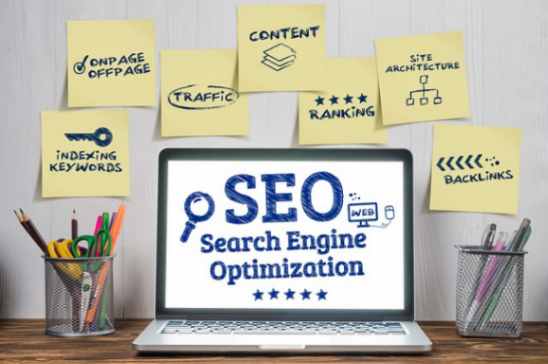
Understanding the costs of SEO and marketing is crucial for website success. These elements drive traffic and enhance visibility. They can greatly influence your budget. Let’s delve into the essential components of SEO and marketing costs.
Seo Basics
SEO, or Search Engine Optimization, is essential for online visibility. It involves optimizing your site to rank higher in search results. Basic SEO includes keyword research, on-page optimization, and link building. These tasks require time and expertise. Hiring an SEO expert can cost between $500 to $1,500 per month. DIY SEO tools are available too. They cost less but require significant effort and learning.
Digital Marketing Strategies
Effective digital marketing strategies amplify your online presence. They include social media marketing, email campaigns, and pay-per-click advertising. Social media marketing costs vary. It depends on platform and strategy. Budgeting for paid ads on platforms like Facebook or Google Ads is crucial. Email marketing software typically costs $20 to $50 monthly. These strategies help reach a wider audience.
Maintenance And Support
Building a website’s cost varies with design, features, and developer expertise. Maintenance and support add to expenses. Estimate your budget considering hosting, domain, and regular updates.
Building a website is only the beginning of your digital journey. Once your site is up and running, maintaining it is crucial for its success. Regular maintenance and support ensure your website remains functional, secure, and up-to-date. This section will help you understand the costs and tasks involved in keeping your website running smoothly.
Regular Updates
Websites need regular updates to function correctly and stay secure. Software updates, including those for your content management system and plugins, are essential. Ignoring updates can lead to security vulnerabilities, which could cost more in the long run.
Content updates are equally important. Fresh content keeps your audience engaged and improves your search engine rankings. Consider setting a schedule to review and update your content regularly.
How often do you update your website? Many businesses find a monthly update plan works well. This approach balances the need for fresh content with the time and resources available.
Technical Support
Technical issues can arise at any moment, disrupting your site’s functionality. Having technical support on hand can save you time and prevent potential revenue loss. Support services might include fixing bugs, addressing server issues, or restoring your site after a crash.
You might think you can handle technical issues yourself, but professional support can make a difference. Experts can solve problems faster and more efficiently than most DIY solutions.
Do you have a plan for when things go wrong? Consider investing in a support plan that offers 24/7 assistance. This peace of mind ensures that no matter when an issue arises, you have help available.
In summary, regular updates and technical support are vital components of maintaining a successful website. By planning and investing in these areas, you can ensure your site remains a reliable resource for your audience.
Additional Features And Integrations
When planning to build a website, the core elements are just the beginning. Additional features and integrations can significantly enhance your site’s functionality, user experience, and market reach. But how much do these extras add to your overall budget? It’s crucial to understand what each feature can bring to the table, so you can decide which ones are worth the investment.
E-commerce Capabilities

If you aim to sell products or services online, e-commerce capabilities are essential. Adding an online store can range from a few hundred to several thousand dollars, depending on the complexity. Basic setups might include a simple product catalog and checkout process, while more advanced systems could offer inventory management, customer accounts, and even multi-currency options.
Consider your needs carefully. Do you plan to sell internationally? Will you need integrations with shipping services? Each feature has its cost, and these can add up quickly. A friend of mine discovered this firsthand when he underestimated the cost of adding a multi-currency feature, which alone added several hundred dollars to his project budget.
Third-party Tools
Integrating third-party tools can greatly enhance your website’s capabilities. Whether it’s a customer relationship management (CRM) system, a live chat tool, or analytics software, these integrations can range from free to a substantial monthly fee. The cost depends on the tool’s complexity and the level of integration required.
Imagine your site with real-time chat support, offering immediate help to your visitors. Or think about using an advanced analytics tool to gain insights into user behavior. These tools can improve customer satisfaction and increase conversions, but each has a price tag. Weigh the benefits against the costs to decide which tools justify their expense.
Have you ever considered how these additional features might impact your website’s performance? It’s a delicate balance between functionality and cost. By choosing wisely, you can create a site that not only meets your needs but also stays within budget.
Budgeting Tips
Building a website involves many decisions, especially around budgeting. Careful planning ensures you don’t overspend while meeting your needs. Understanding costs and where to save is crucial. Here are some budgeting tips to help you manage expenses wisely.
Cost-saving Strategies
Choose a cost-effective hosting plan. Many providers offer affordable options for beginners. Look for discounts or deals. These can reduce your initial costs. Use free resources like templates and plugins. They often meet basic needs without extra expenses. Consider using a website builder. Many include hosting and domain in their packages.
Future-proofing Investments
Invest in scalable solutions. A flexible platform grows with your business. Choose tools with regular updates. This ensures security and compatibility over time. Consider a responsive design. It adapts to any device, keeping your site future-ready. Plan for potential upgrades. Allocating funds for future needs prevents sudden budget strains.
Credit: www.hostpapa.com
Frequently Asked Questions
How Much Does It Cost To Build A Website Per Month?
Website costs vary, typically ranging from $10 to $500+ monthly. Hosting, design, and features affect prices. Basic sites might cost $10-$50, while complex sites can exceed $200. Choose according to your needs and budget.
How Much Does A Website Make Per Month?
Website earnings vary greatly based on factors like traffic, niche, and monetization strategies. Some websites earn $100 monthly, while others generate thousands or even millions. Successful monetization methods include ads, affiliate marketing, and e-commerce. Consistent content updates and SEO optimization can significantly boost website revenue.
Is It Normal To Pay Monthly For A Website?
Yes, it’s normal to pay monthly for a website. Costs may cover hosting, maintenance, and additional services. Monthly fees ensure your website stays updated and secure. Always review what services are included in the package to understand the value. Choose a plan that fits your needs and budget.
How Much Does A 50 Page Website Cost?
A 50-page website typically costs between $3,000 and $10,000. The price varies based on design complexity, features, and developer expertise. Custom graphics or advanced functionalities might increase costs. Always request detailed quotes from web developers to understand what the package includes.
Conclusion
Building a website involves various costs. Choose a budget that fits you. Consider design, hosting, and maintenance expenses. Each impacts the total cost differently. Research thoroughly before making decisions. Compare options to find the best value. Keep your goals and needs in mind.
This ensures your website meets expectations. Remember, investing wisely saves money long-term. A well-planned website can support your growth. Always stay informed about industry changes. This helps in adapting your site effectively. Your website is a vital tool. Make it work for you by planning carefully.
