
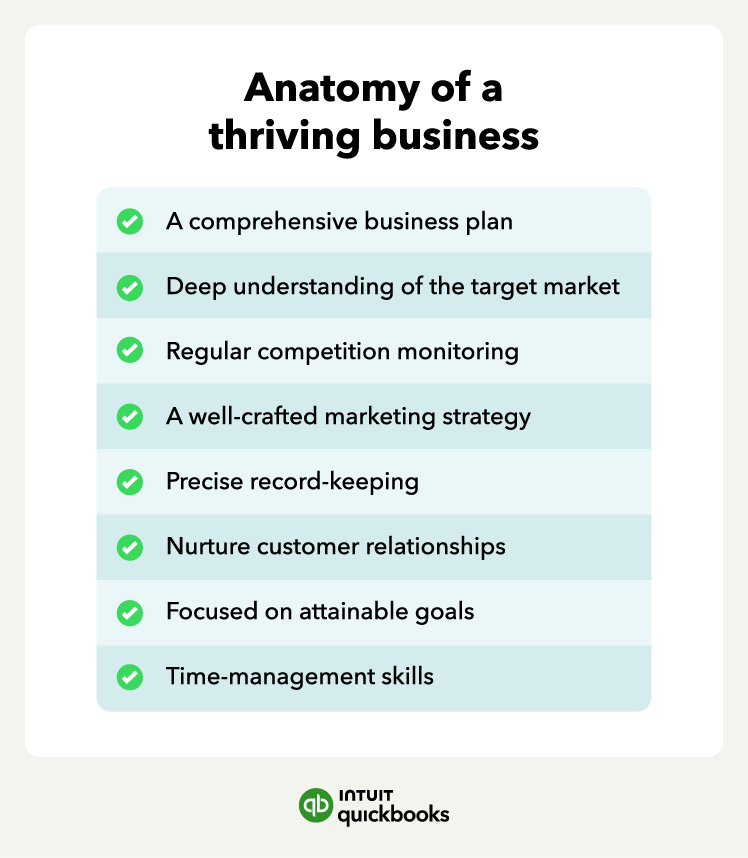
Running a successful business requires planning and dedication. You need a clear strategy and strong leadership.
Starting a business can be exciting and challenging. Many entrepreneurs dream of building a thriving enterprise. Success doesn’t happen overnight; it takes effort, patience, and smart decisions. By understanding key principles, you can improve your chances of success. Whether you are a new business owner or looking to grow your existing business, this guide will offer practical tips.
From managing finances to building a strong team, each step is crucial. Let’s explore essential strategies that can help you run a successful business. Dive in to learn how to turn your business vision into reality.

Credit: femaleentrepreneurassociation.com
Planning Your Business
Planning your business is the first step to success. Proper planning helps you understand your market, set clear goals, and outline the steps to achieve them. It lays the foundation for your business journey. Here, we discuss how to effectively plan your business.
Market Research
Market research is essential. It tells you about your potential customers and competitors. Start by identifying your target audience. Who are they? What are their needs and preferences? This helps you tailor your products or services to meet their demands.
Next, analyze your competitors. What are they doing well? Where are they lacking? This provides insights into opportunities and threats. Use surveys, interviews, and online tools for accurate data.
Business Plan
A business plan is your roadmap. It outlines your business goals and the strategy to achieve them. Start with an executive summary. This is a brief overview of your business. Include your mission statement and key objectives.
Describe your products or services. Explain what makes them unique. Provide details about your target market and marketing strategy. How will you reach your customers? What channels will you use?
Include a financial plan. This covers your startup costs, revenue projections, and funding needs. A well-crafted business plan attracts investors and guides your business decisions.

Credit: www.vectorstock.com
Funding Your Venture
Funding your venture is crucial for success. Finding the right financial support can make or break your business. You need to explore various investment options and manage your budget wisely. Let’s dive into the details.
Investment Options
Choosing the right investment option can be overwhelming. You have several choices. Each has its pros and cons. Consider personal savings first. It’s the simplest option. You don’t owe anyone. Friends and family can also help. They believe in you. They are likely to invest with fewer conditions.
Bank loans are another common choice. They offer large amounts. You need to have a solid business plan. Be prepared to pay interest. Venture capitalists are an option for high-growth businesses. They provide funds in exchange for equity. They often bring valuable experience.
Angel investors are similar. They are wealthy individuals. They invest in new businesses. Crowdfunding is a modern option. Platforms like Kickstarter and Indiegogo help you reach many small investors. Each contributes a small amount. It can also help market your product.
Budget Management
Managing your budget is key. You need to track every expense. Create a detailed budget plan. Include fixed and variable costs. Fixed costs stay the same. Rent and salaries are examples. Variable costs change. They depend on your production and sales.
Keep your personal and business finances separate. It avoids confusion. It also protects your personal assets. Use accounting software. It helps you track your expenses. It can generate reports. These reports are useful for making decisions.
Save for unexpected expenses. Emergencies can happen anytime. Having a reserve fund helps. Regularly review your budget. Adjust it as needed. Always look for ways to cut costs. This increases your profit margin. It helps your business grow.
Building Your Team
Building a strong team is essential for a successful business. Your team members are your greatest asset. They drive your business forward. A well-built team can achieve amazing results. Let’s explore how to build a winning team.
Hiring Strategies
Start with a clear job description. Specify the skills you need. Use multiple platforms to post your job. This widens your candidate pool. Screen resumes carefully. Look for relevant experience and skills. Conduct structured interviews. Ask specific questions. This helps you assess the candidate’s fit. Don’t rush the hiring process. It’s better to wait for the right person.
Team Culture
Create a positive work environment. Encourage open communication. This builds trust among team members. Recognize and reward good work. This motivates your team. Organize team-building activities. These activities foster collaboration. Promote a healthy work-life balance. It keeps your team happy and productive. Lead by example. Show your team the values you uphold. A strong team culture leads to long-term success.
Marketing Your Business
Marketing your business is essential for growth and visibility. It helps you reach potential customers and keep existing ones engaged. Good marketing can set your business apart from competitors. Let’s explore two key areas: Branding and Digital Marketing.
Branding
Branding is more than just a logo. It’s your business identity. It includes your values, mission, and the experience you offer. A strong brand creates trust with customers. They recognize and remember your business.
Start with a clear vision. Decide what message you want to send. Design a memorable logo. Choose colors and fonts that reflect your brand. Consistency is crucial. Use the same style across all platforms. This makes your brand recognizable.
Tell your story. Share why you started your business. Connect with customers on a personal level. Use social media to show your brand personality. Engage with followers. Respond to comments and messages. Make them feel valued.
Digital Marketing
Digital marketing reaches people online. It’s cost-effective and has a wide reach. Start with a website. It’s your online storefront. Make it user-friendly and mobile-friendly. Include clear calls to action. Encourage visitors to contact you or make a purchase.
Use SEO to improve your website’s visibility. Keywords help your site appear in search results. Write blog posts about topics your audience cares about. Share valuable content. This attracts visitors and boosts your ranking.
Social media is powerful. Create profiles on platforms your audience uses. Share content regularly. Mix promotional posts with engaging content. Photos, videos, and polls can increase interaction. Monitor analytics. See what works and adjust your strategy.
Email marketing keeps customers informed. Send newsletters with updates and special offers. Personalize emails to make customers feel special. Track open rates and clicks. Improve your campaigns based on data.
Paid ads can boost visibility. Use Google Ads or social media ads. Target specific demographics. Set a budget and track results. Ads can drive traffic to your website and increase sales.
Customer Acquisition
Customer acquisition is crucial for any business. It involves attracting new customers and converting them into loyal clients. This process requires strategic planning and execution. Let’s explore key elements for successful customer acquisition.
Lead Generation
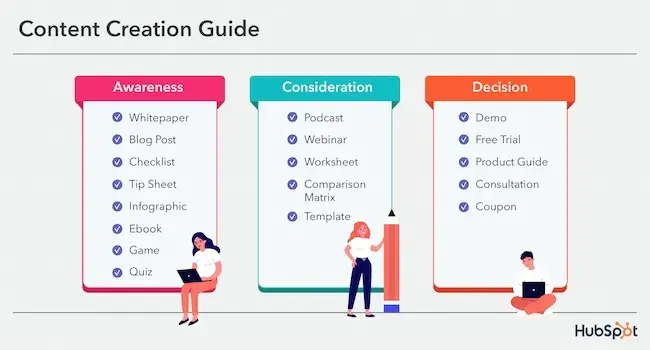
Lead generation is the first step in acquiring new customers. It involves identifying potential customers and capturing their interest in your product or service. Effective lead generation uses multiple channels. Social media platforms, email marketing, and content marketing are popular options. Each channel targets different audience segments. This increases your chances of reaching potential customers.
Creating valuable content is essential. Blogs, videos, and infographics can attract leads. This content should address the needs and interests of your target audience. Offer solutions to their problems. This builds trust and credibility. Using SEO strategies helps your content rank higher in search engine results. This drives organic traffic to your website.
Sales Techniques
Once you generate leads, you need effective sales techniques. These techniques convert leads into paying customers. Building relationships with your leads is vital. Understand their needs and preferences. Personalize your approach. This makes your leads feel valued.
Using a consultative selling approach can be effective. This involves asking questions and listening to your leads. Identify their pain points. Offer tailored solutions. Highlight the benefits of your product or service. Address any concerns they may have.
Follow-up is another crucial aspect. Keep in touch with your leads. Provide additional information and support. This shows you care about their needs. A well-timed follow-up can make the difference between a lost lead and a new customer.
In summary, customer acquisition involves strategic lead generation and effective sales techniques. By focusing on these areas, you can attract and convert new customers. This will help your business grow and thrive.
Credit: blog.hubspot.com
Operational Efficiency
Operational efficiency is crucial for a successful business. It helps reduce costs and improve productivity. By focusing on key areas, you can streamline your operations. This ensures your business runs smoothly and stays competitive.
Process Optimization
Process optimization involves examining your workflows. Identify bottlenecks that slow down tasks. Remove these obstacles to enhance efficiency. Simplify each step to save time and resources. Train your team to follow the optimized processes. Regular reviews help keep the processes up to date. This leads to better productivity and less waste.
Technology Integration
Technology integration can boost operational efficiency. Use software that automates repetitive tasks. This frees up your team to focus on important work. Implement tools that improve communication. For example, project management apps can keep everyone on the same page. Cloud services allow easy access to data from anywhere. This flexibility supports remote work and collaboration. Ensure your technology is secure and up-to-date. This helps protect sensitive information and maintain smooth operations.
Financial Management
Financial management is the backbone of any successful business. It’s not just about keeping the books balanced, but about making strategic decisions that ensure long-term growth and stability. Let’s delve into two crucial aspects: cash flow and profit maximization.
Cash Flow
Cash flow is the lifeblood of your business. Without it, even the most profitable companies can face difficulties. It’s essential to track your cash inflows and outflows meticulously.
Use accounting software to monitor your cash flow in real-time. This helps you identify trends and anticipate shortages. Create a cash flow forecast to plan for future expenses.
Consider my experience: I once delayed a major purchase until my cash flow stabilized. This decision saved my business from financial strain. Are you prepared to make tough calls when your cash flow is tight?
Profit Maximization
Profit maximization isn’t just about increasing sales. It’s also about reducing costs and improving efficiency. Look for ways to streamline your operations.
Negotiate with suppliers for better rates. Invest in technology that automates repetitive tasks, freeing up your team’s time for more valuable activities. Regularly review your expenses to cut unnecessary costs.
In my business, a simple shift to a more energy-efficient lighting system significantly reduced overhead costs. What small changes can you make to boost your profits?
Remember, effective financial management requires continuous attention and adjustment. Stay proactive and keep your financial health at the forefront of your business strategy. Your success depends on it!
Growth Strategies
Growth strategies are essential for running a successful business. They help you expand your reach, increase revenue, and stay competitive. There are many ways to achieve growth, but two key strategies stand out: scaling up and innovation. These methods can significantly impact your business’s success.
Scaling Up
Scaling up involves increasing your business’s capacity to handle more work. This can mean hiring more staff, expanding your facilities, or investing in new technology. The goal is to boost productivity and meet higher demand without compromising quality. Start by evaluating your current resources. Identify areas where you can improve efficiency. For example, streamline processes to reduce time and costs. Automate repetitive tasks to free up your team’s time. This allows you to focus on more critical activities.
Another important aspect is maintaining customer satisfaction. As you grow, ensure your service or product quality remains high. Happy customers are more likely to return and recommend your business to others. Scaling up can be challenging, but with careful planning, it can lead to significant growth.
Innovation
Innovation is about creating new ideas and solutions. It keeps your business relevant and competitive. Encourage your team to think creatively and explore new possibilities. This can lead to the development of unique products or services that stand out in the market. Stay updated with industry trends and adapt to changes. This helps you identify opportunities for innovation.
Invest in research and development (R&D). Allocate resources to explore new technologies and methods. Collaborate with other businesses or experts to gain new insights. Innovation doesn’t always mean inventing something entirely new. It can also involve improving existing products or processes. By fostering a culture of innovation, you can continuously improve and grow your business.
Frequently Asked Questions
What Is The Best Way To Run A Successful Business?
Focus on customer satisfaction, manage finances wisely, and build a strong team. Adapt to market changes, embrace innovation, and maintain a clear vision.
What Are The 5 Key Success Factors For A Business?
The 5 key success factors for a business are strong leadership, effective marketing, financial management, customer focus, and innovation.
Is $3,000 Enough To Start A Business?
$3,000 can be enough to start a small business. Success depends on careful planning and managing expenses. Choose low-cost business models.
How Do I Run A Successful Small Business Owner?
To run a successful small business, focus on customer satisfaction, manage finances well, market effectively, stay adaptable, and build a strong team.
Conclusion
A successful business needs careful planning and commitment. Focus on your customers. Build strong relationships. Keep your team motivated. Monitor your finances closely. Adapt to market changes. Stay updated on industry trends. Use technology to your advantage. Learn from mistakes.
Celebrate small wins. Maintain a positive mindset. With these tips, you can steer your business towards growth. Stay dedicated. Success will follow.

