
Are you struggling to keep your customers engaged and coming back for more? If so, you’re not alone.
Many businesses find it hard to connect with their audience in a meaningful way. But what if there was a simple solution that could make your customer interactions smoother, faster, and more personalized? That’s where SaaS integration comes in. By combining the right software tools, you can create a seamless experience that keeps your customers interested and satisfied.
Keep reading to discover how SaaS integration can transform your business and boost your customer engagement like never before.

Credit: knowmax.ai
Benefits Of Saas Integration
SaaS integration brings many benefits to businesses. It connects different software tools, making work easier and faster. This helps companies engage better with their customers. The following sections explain key benefits of SaaS integration.
Enhanced Customer Experience
SaaS integration allows businesses to offer smoother service. Customers get faster answers and better support. Data from various tools combines to give a full view of each customer. This helps personalize offers and messages. A good experience keeps customers coming back.
Streamlined Operations
Integrating SaaS apps reduces manual work and errors. Tasks like billing, communication, and inventory update automatically. Teams spend less time switching between tools. This boosts productivity and speeds up workflows. Simple, connected systems help businesses run well.
Improved Data Management
Data from different sources combines in one place. This makes it easy to track and analyze customer behavior. Businesses can spot trends and act quickly. Clean, organized data improves decision-making. It also ensures accurate reports and better planning.
Key Saas Tools For Engagement
SaaS tools help businesses connect with customers better. They simplify tasks and improve communication. Using the right software can make customer engagement easier and more effective.
Here are key SaaS tools that boost customer engagement.
Customer Relationship Management
CRM software stores customer data in one place. It tracks interactions and helps personalize messages. Teams can respond faster and keep customers happy. A good CRM builds stronger customer relationships over time.
Marketing Automation
This tool sends automatic emails and messages. It targets customers based on their behavior. Marketing automation saves time and keeps customers interested. It helps deliver the right message at the right moment.
Analytics And Reporting
Analytics tools measure customer actions and feedback. They show which strategies work best. Businesses use reports to improve their engagement plans. Data helps make smarter decisions for customer interaction.
Strategies To Maximize Engagement
Boosting customer engagement requires clear and smart strategies. Businesses must connect well with their customers. SaaS integration offers tools to help achieve this. Using these tools wisely can improve how customers interact and stay loyal.
Personalized Communication
Personalized messages make customers feel valued. SaaS tools help collect data about preferences. This data guides the creation of custom messages. Sending relevant offers or updates increases interest. Customers respond better to messages that fit their needs. Personalization builds trust and keeps customers coming back.
Omnichannel Support
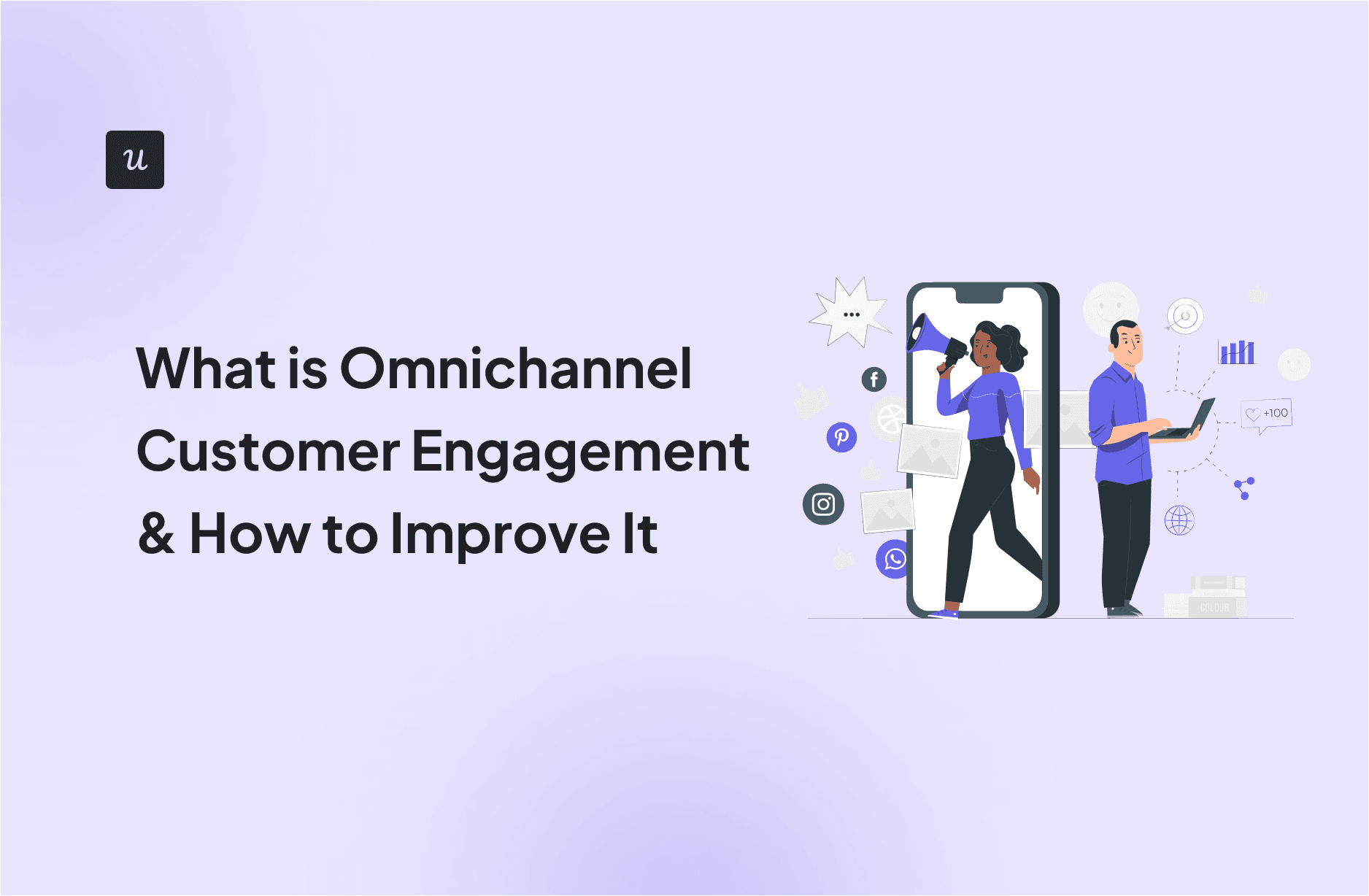
Customers use many platforms to reach businesses. SaaS integration allows support on all channels. Whether on email, chat, or social media, responses stay consistent. Customers can switch channels without repeating their issues. Omnichannel support makes the experience smooth and easy. This convenience encourages customers to engage more often.
Real-time Feedback
Immediate feedback helps businesses improve quickly. SaaS tools collect and analyze customer opinions instantly. Businesses can solve problems before they grow. Real-time feedback shows customers their voice matters. Acting fast on feedback builds stronger relationships. This keeps customers involved and satisfied.

Credit: knowmax.ai
Challenges In Saas Integration
Integrating SaaS tools can improve customer engagement greatly. Yet, it comes with clear challenges. Businesses must be ready to face these issues for smooth integration and real benefits.
Data Security Concerns
Data safety is a top worry in SaaS integration. Sensitive customer information passes through different platforms. Weak security can lead to data leaks or breaches. Companies must ensure strong encryption and strict access controls. Regular security audits help identify risks early.
Integration Complexity
Connecting multiple SaaS systems is not simple. Different tools use various data formats and protocols. This mismatch can cause errors or delays. Skilled IT staff or consultants are often needed. Proper planning reduces technical problems during integration.
Cost Management
SaaS integration can be expensive. Costs include software licenses, development, and maintenance. Unexpected expenses may appear during the process. Budgeting carefully helps control spending. Businesses should track all costs to avoid surprises.
Case Studies Of Successful Integration
Real examples show how SaaS integration helps businesses improve customer engagement. These case studies reveal practical results from different industries. Each story highlights how SaaS tools connect systems and create better customer experiences.
Retail Industry
A retail chain used SaaS to link its online store with inventory systems. Customers saw real-time stock updates. This reduced order errors and increased satisfaction. The store also integrated customer data to send personalized offers. Sales grew as customers felt more valued and understood.
Saas Startups
A SaaS startup combined its app with popular communication tools. This made it easier for users to share updates and feedback. The startup tracked user behavior to improve features quickly. Customer engagement rose as users found the app more useful and responsive.
Enterprise Solutions
A large company integrated multiple SaaS platforms for sales and support teams. This unified customer information in one place. Employees responded faster to inquiries and resolved issues smoothly. The integration helped build stronger relationships and increased customer loyalty.
Credit: userpilot.com
Frequently Asked Questions
What Is Saas Integration In Customer Engagement?
SaaS integration connects various software tools to streamline customer interactions. It enables seamless data sharing, improving personalized communication and user experience. This boosts engagement by making customer management more efficient and responsive.
How Does Saas Integration Improve Customer Retention?
By integrating SaaS tools, businesses can track customer behavior and preferences effectively. This allows tailored offers and timely support, increasing satisfaction and loyalty. Improved retention results from consistent, personalized engagement.
Can Saas Integration Enhance Marketing Strategies?
Yes, SaaS integration centralizes marketing data, enabling targeted campaigns. It helps analyze customer insights and automate outreach, leading to higher conversion rates. This optimizes marketing efforts and drives better customer engagement.
What Are The Key Benefits Of Saas Integration?
SaaS integration offers real-time data access, automation, and improved collaboration. These benefits streamline workflows and enhance customer service. Together, they lead to increased efficiency and stronger customer relationships.
Conclusion
SaaS integration helps businesses connect tools and data smoothly. It saves time and reduces errors in customer interactions. Customers get faster responses and better support. Teams work together easily and share important information. This leads to happier customers and stronger relationships.
Using SaaS integration can improve how you engage with your audience. It makes your business more efficient and responsive. Try adding SaaS tools to boost customer engagement today. Small changes can bring big benefits over time.
