
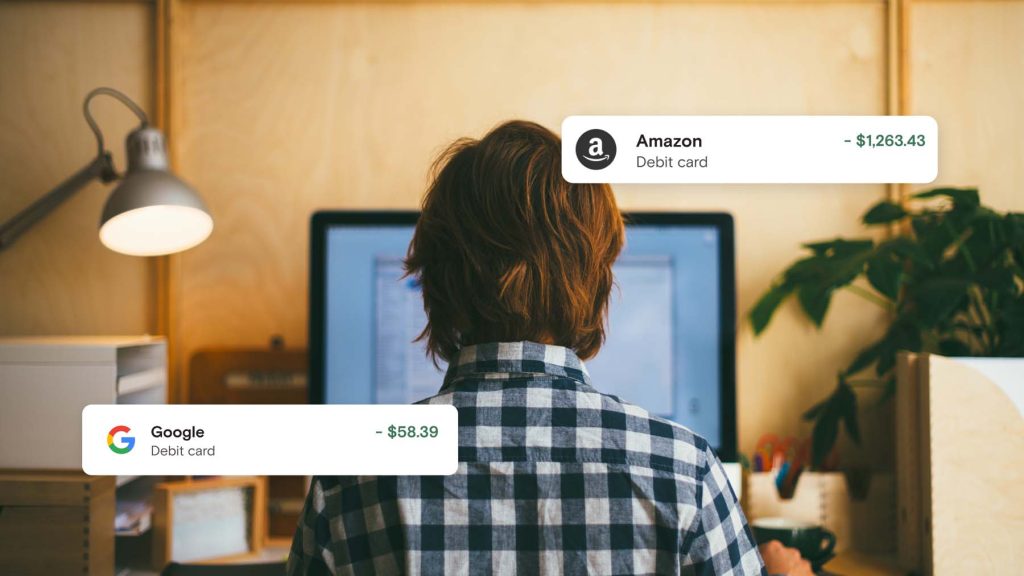
Discover the best budgeting tools for small businesses to track expenses, manage cash flow, and boost financial efficiency with ease.
Running a small business comes with many challenges, and managing finances is one of the most important. For small businesses, effective budgeting can mean the difference between success and failure. Budgeting tools help business owners track expenses, forecast future costs, and make informed decisions.
They offer features like expense tracking, reporting, and integration with other financial systems. With the right tools, small businesses can stay on top of their finances and plan for growth. In this blog post, we will explore some of the best budgeting tools available for small businesses. These tools can help streamline your financial management and set your business up for success. Stay tuned to find the right one for your needs.
Credit: www.venasolutions.com
Introduction To Budgeting Tools
Small businesses often struggle with managing finances. Budgeting tools can help. These tools simplify the process. They ensure you track income and expenses. They help you plan for the future. They keep your business on track. In this post, we explore the best budgeting tools for small businesses.
Importance Of Budgeting
Budgeting is crucial for any business. It helps you control your finances. It ensures you have enough money for expenses. It allows you to plan for growth. It helps you avoid debt. A budget can show where you can cut costs. It can also highlight areas for investment.
Here are some key benefits of budgeting:
- Financial control: Keeps you aware of your financial situation.
- Planning: Helps you prepare for future expenses.
- Cost-cutting: Identifies areas to reduce costs.
- Investment: Highlights opportunities for growth.
Challenges For Small Businesses
Small businesses face unique challenges. Limited resources can make budgeting difficult. Many small business owners lack financial expertise. They might not know how to create a budget. They might not have time to manage it. This is where budgeting tools come in. They simplify the process. They make it easier to manage finances.
Some common challenges include:
- Limited resources: Small budgets and few staff members.
- Lack of expertise: Many business owners are not financial experts.
- Time constraints: Managing a business leaves little time for budgeting.
- Unforeseen expenses: Unexpected costs can disrupt a budget.
Budgeting tools can address these challenges. They automate financial tracking. They provide insights and reports. They save time and effort. They make budgeting accessible to everyone.
Criteria For Choosing Budgeting Tools
Choosing the right budgeting tool can be a game-changer for small businesses. The right tool can streamline finances and help manage expenses. But how do you select the best one? Here are some key criteria to consider.
Cost-effectiveness
Small businesses often have limited budgets. The cost of a budgeting tool should be reasonable. Look for tools that offer good value for money. Free or low-cost options can be very effective. Some tools even offer free trials. This allows you to test them before committing.
Ease Of Use
A budgeting tool should be easy to use. It should not require extensive training. User-friendly interfaces save time and reduce frustration. Look for tools with simple navigation. Easy-to-understand instructions are a big plus. The tool should help you focus on budgeting, not learning the software.
Top Free Budgeting Tools
Managing finances is crucial for small businesses. Many free budgeting tools can help. These tools simplify tracking expenses and planning budgets. Let’s explore two popular free options: Wave and Mint.
Wave
Wave is an excellent choice for small businesses. It offers free accounting and invoicing software. You can easily track your income and expenses. Create professional invoices and manage receipts. Wave also integrates with your bank accounts. This makes it simple to import transactions. It has a user-friendly dashboard. The dashboard provides a clear view of your finances. Wave includes basic reporting features. This helps you understand your financial health.
Mint
Mint is another great free tool. It helps you budget and track your spending. Mint connects to your bank accounts and credit cards. This allows automatic transaction tracking. You can set budget goals and receive alerts. Mint provides insights into your spending habits. It also offers free credit score monitoring. The interface is easy to navigate. You can customize categories and budgets. This tool helps you stay on top of your finances.
Affordable Paid Budgeting Tools
Finding the right budgeting tools can be tricky for small businesses. Affordable paid budgeting tools offer great features without breaking the bank. Let’s explore two popular options: QuickBooks and FreshBooks.
Quickbooks
QuickBooks is a well-known budgeting tool that fits small business needs. It offers various plans to suit different budgets and requirements.
- Easy-to-use interface
- Track income and expenses
- Create and send invoices
- Manage bills and payments
- Run detailed financial reports
QuickBooks helps you stay organized and on top of your finances. The software integrates with many banks and apps. This makes it easier to sync your data.
| Plan | Monthly Cost | Features |
|---|---|---|
| Simple Start | $25 | Basic accounting, invoicing, and expense tracking |
| Essentials | $50 | Includes Simple Start features plus bill management |
| Plus | $80 | Advanced features like inventory tracking |
Freshbooks
FreshBooks is another great option for small businesses. It focuses on simplicity and ease of use. FreshBooks offers several plans to meet different needs.
- Intuitive and user-friendly design
- Automate invoicing and expense tracking
- Time tracking for projects
- Accept online payments
- Generate insightful reports
FreshBooks helps you manage your finances with ease. It’s perfect for service-based businesses and freelancers. The tool integrates with many popular apps, making it versatile.
| Plan | Monthly Cost | Features |
|---|---|---|
| Lite | $15 | Basic invoicing and expense tracking |
| Plus | $25 | Includes Lite features plus recurring billing |
| Premium | $50 | Advanced features for larger teams |
Both QuickBooks and FreshBooks are excellent choices. They offer essential features at affordable prices. Choose the one that best fits your business needs.
Cloud-based Budgeting Tools
Cloud-based budgeting tools have become essential for small businesses. They provide real-time updates, easy access, and seamless collaboration. Managing finances has never been simpler with these tools. Let’s explore two popular options: Xero and Zoho Books.
Xero
Xero is a cloud-based accounting software. It offers a user-friendly interface and robust features. Track your expenses, manage invoices, and connect your bank accounts. Xero also provides financial reporting tools. These help you make informed decisions. The software supports multiple currencies. This is great for businesses with international clients. It also integrates with over 700 apps, enhancing its functionality. The mobile app allows you to manage finances on the go.
Zoho Books
Zoho Books is another excellent cloud-based budgeting tool. It simplifies accounting and helps track expenses. Create and send invoices easily. Automate bank feeds and reconciliations. Zoho Books also offers detailed financial reports. These reports help you understand your business’s financial health. The software supports multiple users, making collaboration easy. Its integration with other Zoho apps adds value. The mobile app ensures you stay on top of your finances anytime, anywhere.
Specialized Budgeting Tools
Small businesses often face challenges managing their finances. Specialized budgeting tools can simplify this process. These tools are designed to meet the unique needs of small businesses. They help in tracking expenses, forecasting, and financial planning. Let’s explore two popular budgeting tools: LivePlan and PlanGuru.
Liveplan
LivePlan is a user-friendly budgeting tool. It helps small businesses create professional business plans. The tool offers step-by-step guidance. Users can easily track their progress. LivePlan also includes financial forecasting features. This helps in making informed decisions. The tool integrates with accounting software like QuickBooks. This saves time and reduces errors.
Planguru
PlanGuru is another excellent budgeting tool. It is designed for small businesses. The tool offers powerful forecasting and budgeting features. Users can create detailed financial projections. PlanGuru supports multi-year planning. This helps in long-term financial management. The tool also provides over 20 standard forecasting methods. Users can customize these methods to fit their needs. PlanGuru integrates with Excel and QuickBooks. This ensures seamless data transfer.
Integrating Budgeting Tools With Other Software
Integrating budgeting tools with other software can streamline your business operations. It helps in synchronizing financial data, enhancing project management, and ensuring accurate accounting. Seamless integration saves time and reduces errors. This section explores integrating budgeting tools with accounting software and project management tools.
Accounting Software
Connecting your budgeting tools with accounting software offers numerous benefits. It enables real-time data synchronization between your budget and financial records. This ensures you always have the latest financial information at your fingertips.
Here are some advantages:
- Automated Data Entry: Reduces manual work and errors.
- Real-Time Updates: Keeps your financial data current.
- Comprehensive Reports: Generates detailed financial reports.
- Expense Tracking: Monitors expenses accurately.
Popular accounting software includes QuickBooks, Xero, and FreshBooks. These platforms offer easy integration with many budgeting tools.
Project Management Tools
Integrating budgeting tools with project management tools helps in managing project finances better. It ensures your project costs are aligned with your budget.
Key benefits include:
- Cost Tracking: Monitors project expenses in real-time.
- Resource Allocation: Ensures resources are used efficiently.
- Budget Alerts: Notifies you of potential budget overruns.
- Performance Reports: Provides financial insights into project performance.
Some popular project management tools are Asana, Trello, and Basecamp. These tools often integrate seamlessly with budgeting software to provide a unified view of project finances.
Credit: www.venasolutions.com
Tips For Effective Budgeting
Effective budgeting is crucial for small businesses. It helps manage cash flow, control expenses, and plan for the future. Following these tips can lead to better financial health and growth.
Regular Monitoring
Regularly monitor your budget to ensure you stay on track. This can help identify any discrepancies early. Use tools like spreadsheets or specialized software to keep an eye on your finances.
Create a schedule for budget reviews. Weekly or monthly reviews can keep you informed. Regular checks make it easier to spot trends and make adjustments.
Consistency is key. Make it a habit to review your budget at the same time each period. This helps in maintaining discipline and ensures nothing slips through the cracks.
Adjusting As Needed
Don’t be afraid to make adjustments. Budgets are not set in stone. If you notice an area where you can save more, make the necessary changes.
Similarly, if unexpected expenses arise, adjust your budget accordingly. Flexibility is important. It allows your business to adapt to changing circumstances.
Use a table to track your adjustments:
| Category | Initial Budget | Adjusted Budget | Reason for Adjustment |
|---|---|---|---|
| Marketing | $500 | $450 | Cost-saving |
| Office Supplies | $200 | $250 | Unexpected Expenses |
Documenting changes helps in understanding your financial decisions. It also provides a clear record for future reference.
By following these tips, small businesses can create more effective budgets. This leads to better financial management and growth opportunities.

Credit: www.thefinanceweekly.com
Frequently Asked Questions
What Are The Best Budgeting Tools For Small Businesses?
The best budgeting tools include QuickBooks, FreshBooks, and Wave. They offer affordable pricing, user-friendly interfaces, and essential features. Each tool caters to different business needs.
Are There Free Budgeting Tools For Small Businesses?
Yes, there are free tools available. Wave and Mint provide budgeting solutions without cost. They are ideal for small businesses looking to save money.
How Do Budgeting Tools Help Small Businesses?
Budgeting tools help by tracking expenses, managing cash flow, and forecasting financial needs. They streamline financial management, ensuring better decision-making and financial health.
Can Budgeting Tools Integrate With Other Software?
Yes, many budgeting tools integrate with other software. QuickBooks, for example, integrates with payroll, CRM, and e-commerce platforms. This ensures seamless operations.
Conclusion
Choosing the right budgeting tool can help your small business thrive. These tools simplify financial management, making your job easier. They offer features to track expenses, forecast cash flow, and manage invoices. Start with one that fits your needs and budget.
Remember, the key is consistency. Use the tool regularly to see real benefits. Save time, reduce stress, and focus on growing your business. With the right budgeting tool, financial clarity is within reach.
