

Looking for the best accounting software for small business? Check out our top 5 picks to simplify your bookkeeping and enhance efficiency!

Accounting software can simplify this task, making your job easier. With the right tools, you can track expenses, create invoices, and run reports. But with so many options, how do you choose the best one? This blog post will help you navigate through the top accounting software for small businesses.
We will highlight key features, benefits, and pricing. By the end, you will have a clearer idea of which software suits your needs. Let’s dive into the world of accounting tools and find the perfect fit for your business.
Quickbooks Online
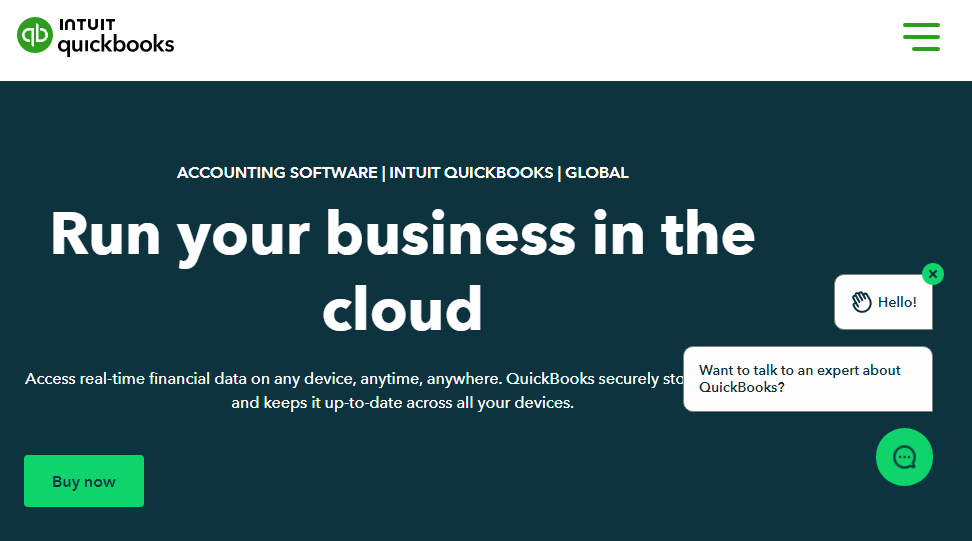
QuickBooks Online is a popular choice for small business owners. It helps manage finances, track expenses, and generate invoices. Its user-friendly interface makes it easy for non-accountants to navigate. Let’s dive into the features, pros, and cons of QuickBooks Online.
Features
- Invoicing: Create and send professional invoices.
- Expense Tracking: Record and categorize expenses.
- Financial Reporting: Generate detailed financial reports.
- Bank Reconciliation: Sync with your bank and reconcile accounts.
- Multi-Device Access: Access your data from any device.
Pros And Cons
| Pros | Cons |
|---|---|
| Easy to use interface | Monthly subscription cost |
| Cloud-based access | Limited customization |
| Comprehensive features | Learning curve for advanced features |
QuickBooks Online offers many features for small businesses. It simplifies invoicing, expense tracking, and financial reporting. The cloud-based platform allows access from anywhere, making it convenient for business owners. Despite its monthly cost, many find its ease of use and comprehensive tools valuable.
Freshbooks

FreshBooks is a popular accounting software designed specifically for small businesses. It’s known for its user-friendly interface and powerful features. FreshBooks helps streamline financial management, making it easier for small business owners to keep track of their finances.
Features
FreshBooks offers a wide range of features that cater to the needs of small businesses:
- Invoicing: Create and send professional invoices in minutes.
- Expense Tracking: Easily record and categorize expenses.
- Time Tracking: Track billable hours and link them to invoices.
- Reports: Generate detailed financial reports to gain insights.
- Payments: Accept online payments directly from invoices.
Pros And Cons
| Pros | Cons |
|---|---|
|
|
Xero
Choosing the right accounting software is crucial for small businesses. Xero stands out as a popular option. It offers a range of features tailored to small business needs. Let’s dive into what makes Xero unique.
Features
Xero offers an impressive suite of features:
- Invoicing: Create and send customized invoices easily.
- Bank Reconciliation: Connects with bank accounts for seamless reconciliation.
- Expense Tracking: Manage expenses with ease and accuracy.
- Inventory Management: Keep track of inventory and orders.
- Payroll: Simplified payroll processing.
- Reporting: Generate insightful financial reports.
- Mobile Access: Access your accounts on the go with the mobile app.
Pros And Cons
| Pros | Cons |
|---|---|
|
|
Zoho Books
Zoho Books is a popular choice for small businesses. It offers a wide range of features at a competitive price. This accounting software simplifies financial management. Zoho Books is user-friendly and integrates well with other Zoho products.
Features
Zoho Books offers a host of useful features:
- Invoicing: Create, send, and track invoices easily.
- Expense Tracking: Monitor and categorize expenses.
- Bank Reconciliation: Match bank transactions with your records.
- Inventory Management: Track inventory levels in real-time.
- Online Payments: Accept payments through multiple gateways.
- Reports: Generate detailed financial reports.
Pros And Cons
Like any software, Zoho Books has its strengths and weaknesses.
| Pros | Cons |
|---|---|
|
|
Wave
Wave is a popular accounting software designed for small businesses. It offers a range of features tailored to help manage finances efficiently. Many small business owners appreciate its ease of use and affordability. Wave provides essential tools for invoicing, accounting, and receipt scanning.
Features
Wave includes several key features to support small business operations. The invoicing tool allows creating and sending professional invoices. Users can also set up recurring billing for regular clients. The accounting feature helps track income and expenses accurately. Wave connects with bank accounts for seamless transaction imports. The receipt scanning feature lets users upload and organize receipts quickly.
Pros And Cons
Wave offers many benefits for small business owners. One major advantage is its cost. The software is free to use for core accounting functions. This makes it an attractive option for budget-conscious businesses. The user interface is also simple and intuitive. Many users find it easy to navigate and operate.
There are some drawbacks to consider. Wave does not offer advanced inventory management features. Businesses with complex inventory needs might find this limiting. Additionally, customer support is primarily available through email. Some users may prefer more immediate support options like phone or chat.
Comparison Of Top Picks
Choosing the best accounting software for your small business can be tough. Each software offers unique features that fit different needs. In this section, we compare the top picks based on pricing and user experience.
Pricing
| Software | Free Trial | Starting Price (Monthly) |
|---|---|---|
| QuickBooks Online | 30 days | $25 |
| Xero | 30 days | $11 |
| FreshBooks | 30 days | $15 |
| Wave | No | Free |
QuickBooks Online and Xero offer similar free trial periods. QuickBooks starts at $25 per month. Xero is more affordable at $11 per month.
FreshBooks is priced in between, starting at $15 monthly. Wave stands out as the only free option, making it attractive for very small businesses or startups.
User Experience
Ease of use is key for small business owners. Each software has its strengths.
- QuickBooks Online is user-friendly with a clean interface. It integrates well with other tools.
- Xero offers a simple dashboard. It provides strong reporting features.
- FreshBooks excels in invoicing. It’s intuitive and easy to navigate.
- Wave offers a straightforward experience. It’s best for small businesses with basic needs.
Overall, each software provides a unique user experience. Your choice depends on your specific business needs and budget.
Frequently Asked Questions
What Is The Best Accounting Software For Small Businesses?
The best accounting software for small businesses varies. QuickBooks, Xero, and FreshBooks are highly recommended. They offer robust features, ease of use, and excellent customer support.
How Does Accounting Software Help Small Businesses?
Accounting software streamlines financial tasks. It automates invoicing, tracks expenses, manages payroll, and generates financial reports. This saves time and reduces errors.
Can Accounting Software Be Used By Non-accountants?
Yes, accounting software is user-friendly. It is designed for business owners without accounting backgrounds. Tutorials and customer support are usually available.
Is Accounting Software Secure For Small Businesses?
Most accounting software provides top-notch security. It includes data encryption, secure access controls, and regular backups. Always choose reputable software providers.
Conclusion
Choosing the best accounting software is vital for small business success. It simplifies finances and saves time. Evaluate your business needs carefully. Consider features, pricing, and ease of use. Top options include QuickBooks, FreshBooks, and Xero. Each offers unique benefits.
Try free trials to find the best fit. Investing in the right software will streamline your financial management. This choice can enhance your business efficiency. Make an informed decision for a smoother financial journey.
